Is Your Subfloor in Trouble? What Chicago Homeowners Need to Know
Most folks don’t think much about their subfloor—until there’s a problem. That hidden layer beneath your floors does the heavy lifting, supporting everything from hardwood to vinyl. If you notice squeaks, sagging, or soft spots, it’s time to take a closer look. Here’s what every Chicago homeowner should know about subfloor repair, straight from the perspective of a flooring professional.
How Do I Know If My Subfloor Needs Repair?
There are a few telltale signs that your subfloor might be failing. Listen for squeaks or creaks when you walk, especially in high-traffic areas. Feel for any soft or bouncy spots—these can indicate water damage or weakened wood. If your floors are uneven or you spot any visible dips, that’s a strong sign the subfloor could be compromised. Finally, if you notice an unexplained musty smell, moisture may have seeped into the subfloor, leading to rot or mold.
What Causes Subfloor Damage?
Subfloor issues usually start with moisture. Leaks from appliances, plumbing, or even high humidity can soak into the subfloor, especially if there’s no proper moisture barrier. Over time, this weakens the wood or plywood, leading to rot. In older Chicago homes, you might also find damage from termites or just years of wear and tear. Heavy impacts or improper installation of the original floor can also stress the subfloor and shorten its life.
What’s Involved in Subfloor Repair?
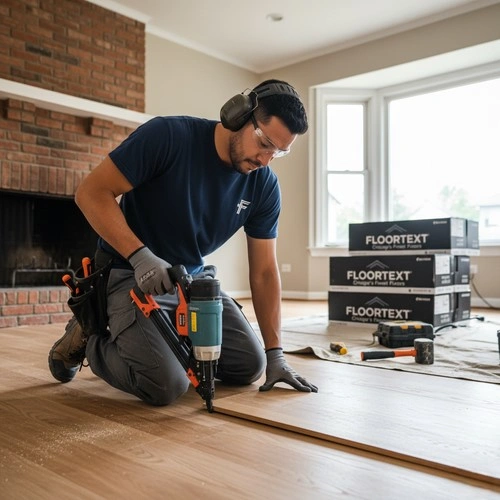
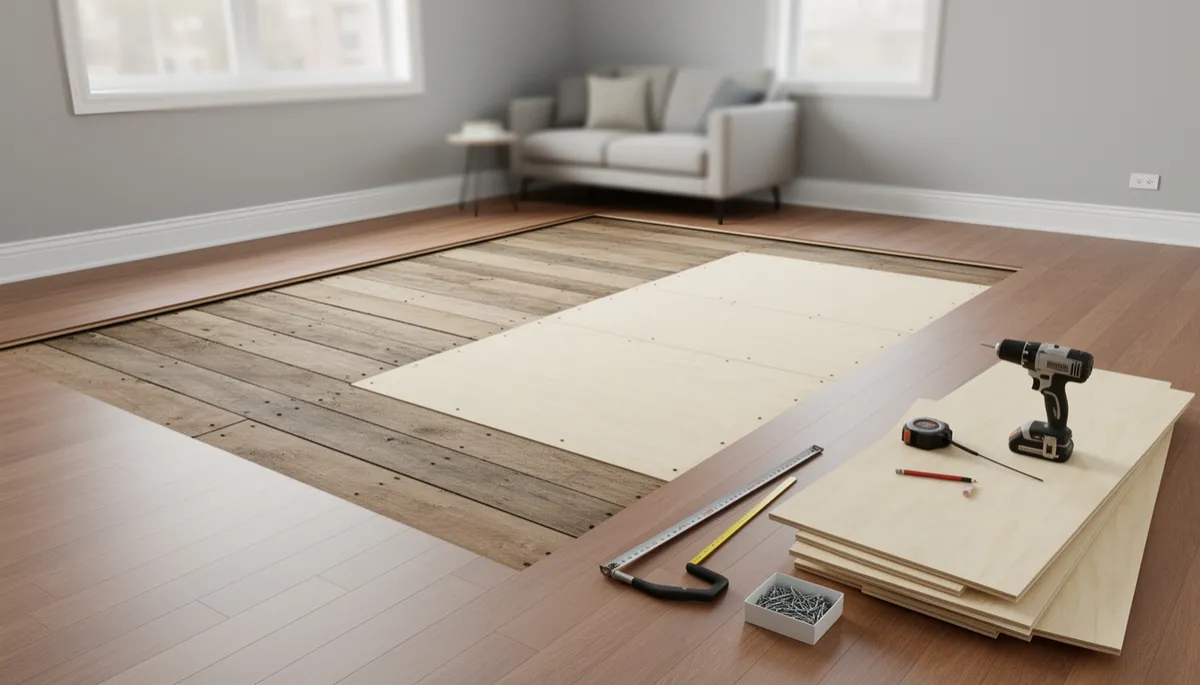
Subfloor repair isn’t just patching up a spot and calling it a day. First, the existing flooring—whether it’s hardwood, laminate, or tile—needs to be removed to access the subfloor. The damaged sections are cut out and replaced with new material, usually plywood or oriented strand board (OSB). It’s crucial to match the thickness and type for proper support. We also check for joist damage, add moisture barriers if needed, and level the new subfloor to avoid future problems. For a full breakdown of the process, see our subfloor repair service page.
Will My Flooring Need to Be Replaced Too?
Not always, but often. Some types of flooring—like floating laminate or luxury vinyl planks—can sometimes be carefully removed and reinstalled after subfloor repair. Others, such as glued-down hardwood or older tile, are more likely to be damaged during removal. If your flooring is due for an upgrade or is already showing wear, it might make sense to replace it while the subfloor is open. For more on what’s possible, check out our flooring installation services.
Can I Prevent Future Subfloor Problems?
Prevention comes down to moisture control and proper installation. Always fix plumbing leaks right away, and use a moisture barrier when installing new floors over concrete or in basements. If you’re installing new flooring, make sure the subfloor is level and structurally sound first. That’s why we include thorough subfloor preparation in every installation. Regularly check for signs of water or pests in your basement and crawl spaces. These simple steps can add decades to the life of your floors.
What Flooring Types Are Most Sensitive to Subfloor Issues?
Hardwood and engineered wood floors are the most sensitive—any unevenness, flex, or moisture in the subfloor can cause warping, gaps, or noise. Luxury vinyl tile and plank are a bit more forgiving, but even these can develop problems if the subfloor isn’t flat and dry. Laminate, while cost-effective, will quickly show soft spots or ridges if the subfloor beneath isn’t up to snuff. For details on each flooring type, visit our pages for hardwood flooring or laminate floors.
Frequently Asked Questions
How long does subfloor repair take?
The time depends on the size of the area and the extent of the damage. Small repairs can sometimes be done in a day, but larger or multiple room projects may take several days, especially if moisture issues need to be addressed first.
Do I have to leave my house during subfloor repair?
Not usually, but you’ll need to stay out of the affected rooms. There will be some noise, dust, and activity, but most repairs can be managed while you’re still living in the home, especially if the work is isolated to one area.
Is it worth repairing just a small area of subfloor?
If the damage is truly limited to a small spot and the rest of the subfloor is solid, spot repairs can be a good solution. But it’s important to have the whole area checked to make sure there aren’t hidden issues nearby.
Does insurance cover subfloor repair?
It depends on the cause. If the damage was sudden and accidental (like a burst pipe), some homeowner policies may help. Gradual wear or long-term leaks are less likely to be covered. Always check your policy or ask your agent.
If you suspect your subfloor might be in trouble, don’t ignore it—small issues can quickly turn into big headaches. Whether you’re in the heart of Chicago or the nearby suburbs, a professional inspection and repair can save you money and keep your home safe. Reach out to Floortext LLC with your questions or to schedule an assessment—we’re here to help your floors last.