Plywood Subfloor Installation: What Homeowners Need to Know
The subfloor is the unsung hero beneath every beautiful floor in your home. If you’re considering new flooring, plywood subfloor installation is a step you can’t skip. Here’s a straightforward look at what’s involved, what you should expect, and how a solid plywood subfloor sets the stage for a long-lasting, comfortable floor in your Chicago home.
Why is a plywood subfloor important for my new floor?
A plywood subfloor acts as the foundation for your finished flooring. It provides a smooth, level, and stable base for materials like hardwood, laminate, or luxury vinyl plank. Without a sturdy subfloor, even the best flooring can creak, shift, or wear out early. Plywood is a popular choice because it’s strong, resists warping, and helps spread out loads from furniture and foot traffic.
How do I know if my home needs new plywood subflooring?
There are some clear signs your home might need new plywood subflooring before you install new floors. If you notice soft spots, squeaks, or sagging areas when you walk, the subfloor might be damaged or deteriorated. Water damage, mold, or musty odors are also red flags. In older homes, the subfloor may not meet the thickness or stability needed for today’s flooring materials. Professional installers can inspect your subfloor and let you know if replacement or repair is needed.
What happens during plywood subfloor installation?
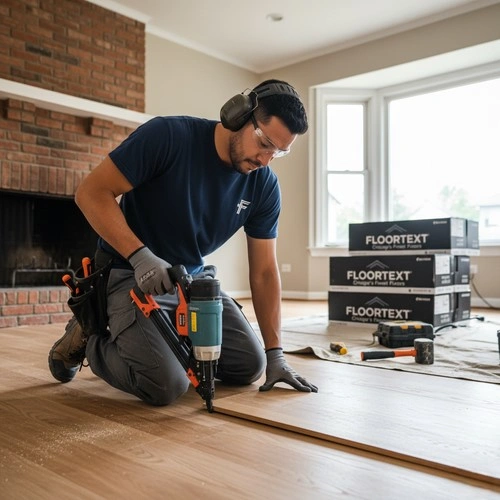
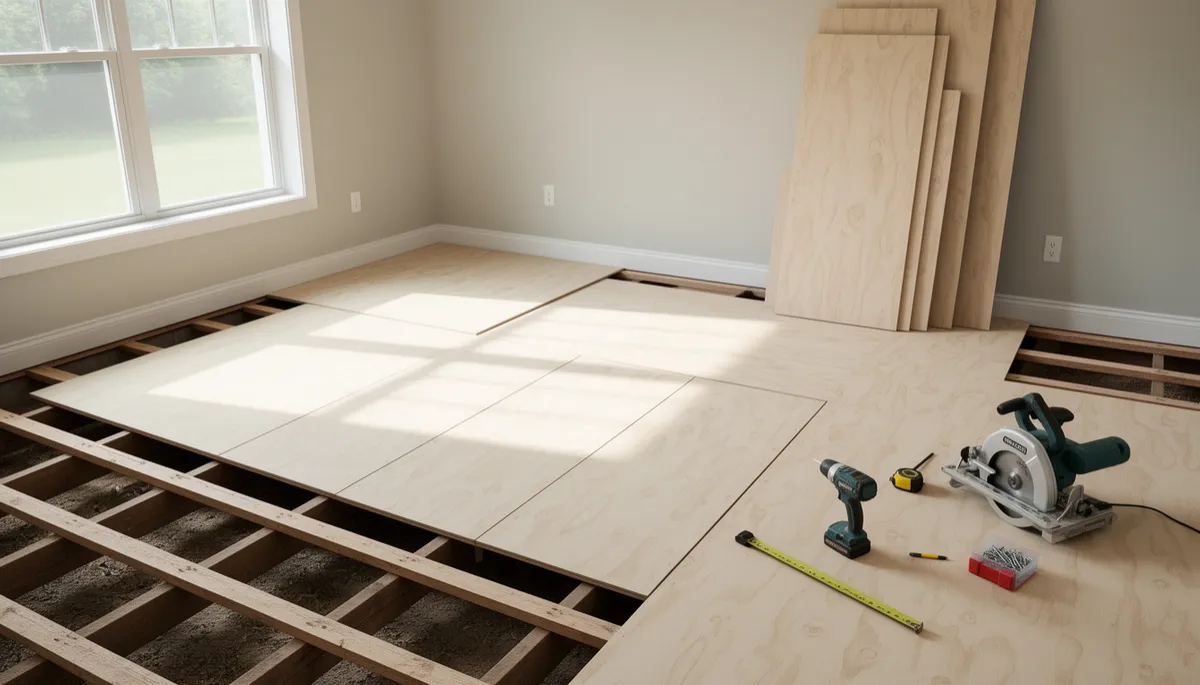
The installation process starts with removing the old flooring and any damaged subfloor sections. Next, the crew checks the floor joists for rot or damage. Then, sheets of plywood are measured, cut, and securely fastened to the joists. The installer staggers the seams and leaves expansion gaps around the perimeter for humidity changes. If the subfloor needs to be perfectly level, this is the stage to address high or low spots. A moisture barrier may be installed depending on the room and flooring type. After the new plywood is down, it’s inspected and cleaned before the final floor goes on top.
What flooring types work best over a plywood subfloor?
Plywood is compatible with just about every type of flooring. It’s the go-to choice for hardwood installations, whether solid or engineered. Laminate and luxury vinyl plank (LVP) also perform well over plywood, as do floating floors. The installer might recommend a specific underlayment or moisture barrier depending on your choice. If you’re not sure which flooring suits your needs, talk with a local pro who can explain how your options interact with a plywood subfloor.
Can I install plywood subfloor myself or should I hire a pro?
Installing plywood subfloor is physically demanding and requires attention to detail. Mistakes here can cause problems later—like squeaks, uneven floors, or damage to your new flooring. A pro will have the right tools, know how to check for structural issues, and make sure everything is fastened properly. In areas like Chicago, where winters are tough and moisture can be a concern, professional installation ensures your subfloor will last. If you’re replacing floors throughout your home or dealing with uneven surfaces, it’s wise to call in experienced help.
What’s the difference between subfloor repair and full replacement?
Subfloor repair takes care of localized damage—like a soft spot from a spill or a squeaky area. The damaged section is cut out and new plywood is patched in. Full replacement means removing and replacing all the subfloor in a room or area. This is common in major renovations or when damage is widespread. Your installer will recommend the best approach after inspecting the existing subfloor. You can learn more about these services on our subfloor preparation and subfloor repair pages.
Frequently Asked Questions
How thick should my plywood subfloor be?
Most residential plywood subfloors are 3/4 inch thick, which provides a solid base for most flooring types. Some jobs may use 5/8 inch plywood where floor joists are closer together. Thickness requirements can depend on your flooring choice and manufacturer’s recommendations.
Is a moisture barrier always needed under plywood?
Not always, but it’s a good idea in basements, over concrete, or anywhere moisture is a concern. A moisture barrier helps prevent water damage and mold. Your installer can recommend when it’s necessary based on your home’s conditions.
How long does plywood subfloor installation take?
Most single rooms can be completed in a day, but larger areas or repairs may take longer. Factors like removing old flooring, leveling, or addressing structural issues can add time. Your flooring contractor will give you a realistic timeline after inspecting your space.
Can new floors be installed right after the subfloor goes in?
Usually yes, but if glue or leveling compound is used, it may need to cure first. Your installer will let you know when it’s ready. Installing floors over a properly installed subfloor helps ensure everything lays flat and feels solid underfoot.
If you’re planning a flooring project in the Chicago area and want it done right from the ground up, reach out to Floortext LLC. We’re here to answer your questions and make sure your new floors look and feel their best for years to come. Check out our plywood subfloor installation service page for more details or to get started.