Hardwood Flooring Guide: Transform Your Space with Timeless Elegance
What Makes Hardwood Flooring a Timeless Choice for Your Home?
Hardwood flooring has long been celebrated as a symbol of sophistication, warmth, and durability in residential and commercial interiors alike. Its natural grain patterns, rich tones, and exceptional resilience contribute to an ambiance that blends seamlessly with various décor styles — from classic to contemporary. But beyond aesthetics, hardwood floors add tangible value, contributing to an elevated living experience and increased property worth.
Floortext LLC specializes in premium hardwood flooring solutions designed to enhance your home’s character while meeting the highest standards of quality and craftsmanship. Selecting hardwood flooring is not merely a design decision; it is an investment in the longevity and timeless appeal of your space.
How Do You Choose the Right Type of Hardwood Flooring?
Choosing hardwood flooring begins with understanding the core options available, which generally fall into two categories: solid hardwood and engineered hardwood. Each offers unique advantages suited to different environments and preferences.
- Solid Hardwood Flooring: Crafted from a single piece of wood, solid hardwood is known for its robust durability and the ability to be sanded and refinished multiple times. It works best in rooms with stable humidity and temperature, such as living rooms and bedrooms.
- Engineered Hardwood Flooring: Engineered hardwood consists of multiple wood layers bonded together for greater dimensional stability. This makes it suitable for areas prone to moisture variation, such as basements and kitchens.
Beyond construction, consider wood species. Options like oak, maple, cherry, and walnut vary significantly in hardness, grain, and color, enabling customization to your décor goals. For example, oak offers a classic look with excellent durability, while walnut provides deep, warm hues that add distinct character.
Assessing the finish is equally critical. Prefinished hardwood flooring offers convenience and consistent protection, whereas unfinished floors allow on-site customization but require professional finishing after installation.
To explore the full range of choices and professional guidance, visit our hardwood flooring services page.
What Are the Essential Steps for Preparing Your Subfloor for Hardwood Installation?
The success and longevity of hardwood flooring depend largely on proper subfloor preparation. A level, clean, and stable foundation prevents issues such as uneven surfaces, squeaking floors, and premature wear.
Subfloor preparation involves several critical procedures:
- Inspection: Detection of damage, moisture levels, and structural integrity is paramount. Identifying potential issues early avoids costly repairs down the line.
- Repairs: Subfloor replacement or repair might be necessary if signs of rot, warping, or weakness are present.
- Leveling: A flat surface ensures that hardwood planks lay evenly, preventing gaps or inconsistent alignment. Techniques such as floor leveling and self-leveling underlayment installation are often employed.
- Moisture Barriers: Installing moisture barriers protects the hardwood from dampness, especially on concrete subfloors or basements.
Professional services like subfloor preparation by Floortext LLC guarantee that every foundational requirement is meticulously addressed.
How Does Professional Hardwood Flooring Installation Elevate Your Space?
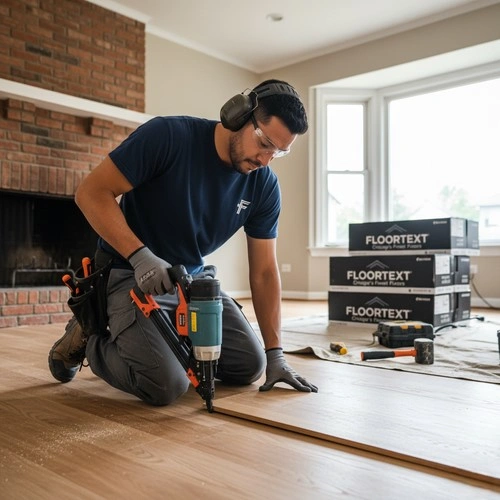
The installation process is a pivotal stage that transforms raw materials into a flawless floor. While DIY might seem appealing, professional installation ensures precision, longevity, and optimum appearance.
Key installation methods include:
- Nail-Down Installation: Ideal for solid hardwood on wooden subfloors, providing a durable and secure fit.
- Glue-Down Installation: Often used for engineered hardwood over concrete, affording stability and moisture resistance.
- Floating Floors: Common with engineered hardwood, these floors are not nailed or glued and allow for natural expansion.
Each method requires specific expertise and equipment. For expertly executed projects, consider our dedicated hardwood floor installation offerings designed for flawless results and customer satisfaction.
What Maintenance Practices Enhance Hardwood Flooring Longevity?
Maintaining hardwood flooring is essential for preserving its beauty and structural integrity over decades. Follow these actionable tips to ensure your floors remain pristine:
- Regular Cleaning: Sweep or vacuum frequently to remove dust and debris that can cause scratches.
- Avoid Excess Water: Use damp mops instead of soaking water, which can damage wood fibers.
- Protective Measures: Use area rugs in high-traffic zones and felt pads under furniture to prevent dents.
- Routine Inspection: Check for signs of wear or damage and address them promptly.
- Refinishing: Periodically sanding and refinishing can restore the wood’s original luster and remove imperfections.
How Can Hardwood Flooring Impact Your Home’s Value and Style?
Hardwood flooring is often one of the top-ranking features buyers seek, making it an excellent strategy for boosting property value. Its timeless appeal complements various interior designs, from rustic farmhouse to luxurious modern.
Beyond financial benefits, hardwood floors contribute to better indoor air quality by not harboring allergens like carpets do and provide a solid base that supports sustainable living.
Frequently Asked Questions About Hardwood Flooring
What Is the Difference Between Solid and Engineered Hardwood Flooring?
Solid hardwood is made from one piece of wood and can be sanded multiple times. Engineered hardwood has a plywood base with a veneer of real wood, offering better resistance to moisture and temperature fluctuations.
Can Hardwood Flooring Be Installed Over Existing Floors?
In some cases, yes. However, proper subfloor assessment and preparation are necessary to ensure stability and prevent future problems. It is crucial to consult with professional installers before proceeding.
How Long Does Hardwood Flooring Installation Typically Take?
The duration depends on the project size and complexity. Usually, installation ranges from a few days to a week, including subfloor preparation and finishing tasks.
Is Hardwood Flooring Suitable for Kitchens and Bathrooms?
While hardwood adds warmth and elegance to kitchens, bathrooms pose challenges due to high moisture. Engineered hardwood may be a better option for moisture-prone areas, combined with proper sealing and maintenance.
How Can I Prevent Scratches and Dents on Hardwood Floors?
Use protective pads on furniture legs, avoid walking with high heels indoors, and place rugs in high-traffic areas. Regular cleaning to remove dirt and grit also helps maintain finish integrity.
Whether you are planning a complete flooring overhaul or upgrading specific areas, professional guidance ensures that your hardwood flooring project becomes a beautiful and enduring feature of your home. Explore more comprehensive flooring solutions with Floortext LLC to bring your vision to life seamlessly.