Is Floor Leveling Needed Before New Flooring? What You Should Know
If you’re thinking about installing new flooring, there’s one step that many Chicago homeowners overlook: making sure your floor is level. Floor leveling isn’t just a technicality—it’s the foundation for a long-lasting, great-looking floor. Whether you’re considering hardwood, laminate, or luxury vinyl, getting the surface flat and even is a must for a smooth installation.
Why does my floor need to be level before new flooring?
Most modern flooring products are designed to sit on a flat, stable surface. If your subfloor is uneven—think dips, humps, or slopes—your new floor may flex, squeak, or even crack over time. Gaps can open at seams, planks may shift, and the whole floor can feel spongy or unstable underfoot. Leveling addresses these issues up front, so your investment lasts as long as possible.
How do I know if my floor is uneven?
There are a few ways to tell if your floor might need leveling. You might notice visible dips or high spots, especially in older Chicago homes. Doors might swing open or closed on their own, or furniture may wobble on what appears to be a flat surface. A professional uses long straightedges, laser levels, or even marbles to detect problem areas that aren’t obvious to the eye. If you’re not sure, a flooring specialist can assess the subfloor before installation.
What’s involved in the floor leveling process?
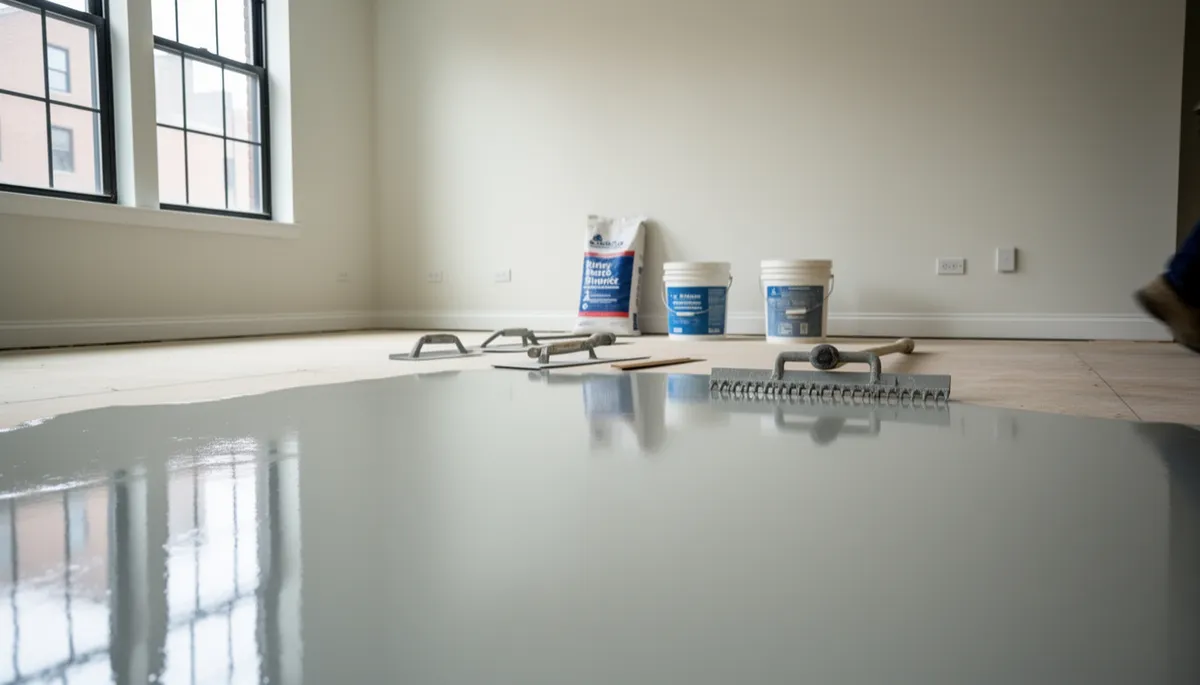
Leveling starts with a clean, stripped-down subfloor. For minor unevenness, a self-leveling underlayment is poured—this material flows and settles into low spots, hardening into a flat surface. In cases where the subfloor is badly damaged or sloped, other steps like sanding high points, repairing or replacing subfloor panels, or even using shims might be needed. Each project is a bit different, and the right method depends on your home’s structure and the type of flooring you want to install. You can learn more about what’s involved on our floor leveling service page.
Which types of flooring require the flattest surface?
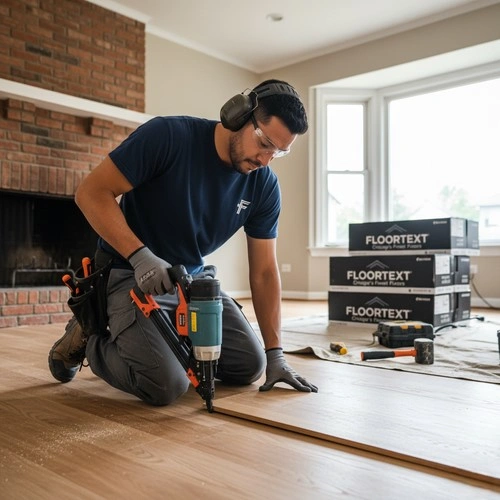
All flooring benefits from a level base, but some are more sensitive than others. For example, click-lock and floating floors—like many laminate and luxury vinyl products—need a very flat surface to avoid movement and gaps. Traditional nail-down or glue-down hardwood can tolerate small imperfections but still performs best on a level subfloor. If you’re not sure what your flooring choice demands, our flooring installation team can walk you through the requirements for each product.
What happens if floor leveling is skipped?
Skipping this step can lead to a range of problems, from annoying squeaks to major repairs down the road. Planks might come apart at the seams, tiles can crack, and uneven wear will show up quickly. In extreme cases, you might need to tear out the new floor and start over. A little extra prep now saves you hassle and expense later. If you’re replacing old flooring, removal and disposal often reveal hidden issues—learn more about our subfloor preparation work to see how we tackle these challenges.
Can floor leveling fix sagging or damaged subfloors?
Leveling can address minor dips and rises, but if your subfloor is rotten, broken, or has structural problems, it may need to be repaired or replaced before leveling. Floor leveling compounds are designed to smooth out surface issues—not to correct serious structural flaws. A professional flooring team will inspect your subfloor and recommend repairs as needed before moving forward with the leveling process.
How long does floor leveling take?
The time required depends on the size of the area and the extent of the unevenness. Minor leveling jobs with self-leveling underlayment can often be completed in a day, though the compound needs time to cure before flooring can be installed. More extensive repairs, like replacing subfloor panels, will add to the timeline. Your contractor should be able to give you a realistic estimate once they’ve evaluated your space.
Frequently Asked Questions
Will floor leveling make my floors perfectly flat?
Floor leveling significantly improves flatness, but in older homes, some minor imperfections may remain. The goal is to meet manufacturer standards for your chosen flooring, which ensures a stable and attractive installation.
Is floor leveling dusty or messy?
Some dust is created, especially if sanding is involved, but most of the process—especially with self-leveling products—is fairly clean. Professionals use plastic sheeting and vacuums to minimize mess.
Can I install new floors myself without leveling?
You can, but it’s risky. Most DIY flooring failures come from skipping prep steps like leveling. If you want your floor to look and feel right, leveling is worth the investment.
Does leveling add much to the project cost?
Leveling does add some cost, but it’s usually a small part of the overall flooring project compared to the potential expense of repairs if you skip it. It’s best to budget for prep work up front.
Floor leveling is one of those steps that pays off for years to come. If you’re planning a flooring upgrade in Chicago, reach out to Floortext LLC. We’re happy to answer your questions, take a look at your subfloor, and get your home ready for a beautiful new floor that lasts.